CONTENT + DIGITAL STORYTELLING
Grantee Client Stories
Designing a scalable storytelling experience around the people impacted by civil legal aid.
Civil legal aid is ultimately about people, but communicating that impact requires more than publishing individual stories. I designed and implemented a digital storytelling system that makes client experiences easier to discover, understand, and connect to the broader work of LSC’s grantee network.
OPPORTUNITY
Turning individual stories into a connected experience.
Client stories are one of the clearest ways to make the impact of civil legal aid tangible. But publishing stories individually does not automatically create a meaningful storytelling experience.
The opportunity was to create a centralized destination where audiences could discover client experiences, understand the legal challenges behind them, and see how LSC-funded organizations help people navigate problems that affect their homes, families, finances, health, and livelihoods.
How might we turn a collection of individual client stories into a digital experience that helps audiences understand the broader impact of civil legal aid?
Individual storiesConnected story system
STRATEGY
Designing the system before designing the pages.
I designed the hub as more than a collection of stories. It creates multiple paths into the content and uses each client experience as a gateway to the larger civil legal aid ecosystem.
Story cards lead with the people behind the stories, while the interactive map concept introduces another way to explore the collection by state or legal issue. From an individual story, audiences can continue into broader issue context, state-level data, and information about the legal aid organization serving that community.
This creates a journey from human impact to broader understanding—while giving audiences, including congressional stakeholders, a clearer connection between an individual story and the legal aid landscape in a specific state.
Discover via:
Understand more:
CONTENT DESIGN
Designing stories for people and scale
I designed the experience to balance two needs: each client story should feel personal and distinct, while the collection needed enough structure to remain consistent and scalable as new stories were added.
From the story cards to the individual pages, photography, content hierarchy, and a repeatable narrative framework help audiences quickly understand who the story is about, what challenge they faced, how legal aid helped, and why the outcome matters.
THE PERSON
Establish who the story is about and create a human entry point.
THE CHALLENGE
Explain the civil legal issue and the circumstances surrounding it.
THE ROLE OF LEGAL AID
Show how an LSC-funded organization helped address the problem.
THE IMPACT
Make the outcome and human significance of that assistance clear.
THE CONNECTION
Connect the individual story to the grantee organization and broader civil legal aid ecosystem.
PHOTOGRAPHY
People lead the experience.
Photography creates an immediate human entry point and keeps the client at the center of the story.
SCANNABLE HIERARCHY
Structure supports the narrative.
Headings, supporting context, imagery, and calls to action help audiences understand the story quickly or explore it in greater depth.
REPEATABLE, NOT IDENTICAL
Templates create consistency without flattening individual stories.
A shared structure makes the system scalable while leaving room for each client’s experience and imagery to remain distinct.
STORY CARDS
A human entry point.
Story cards lead with client photography and concise context, allowing audiences to discover stories through the people behind them while maintaining a consistent structure across the collection.
IMAGERY
Letting people lead the experience.
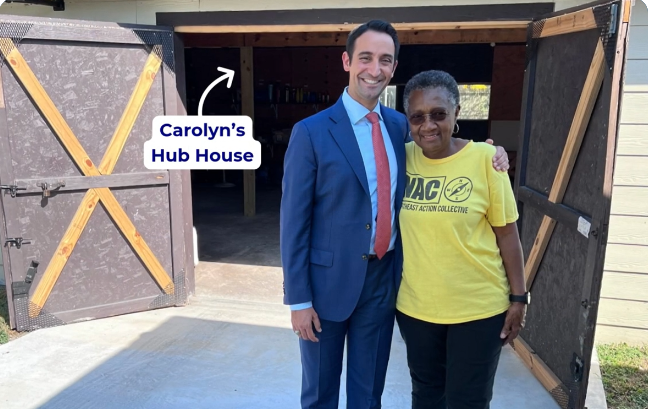
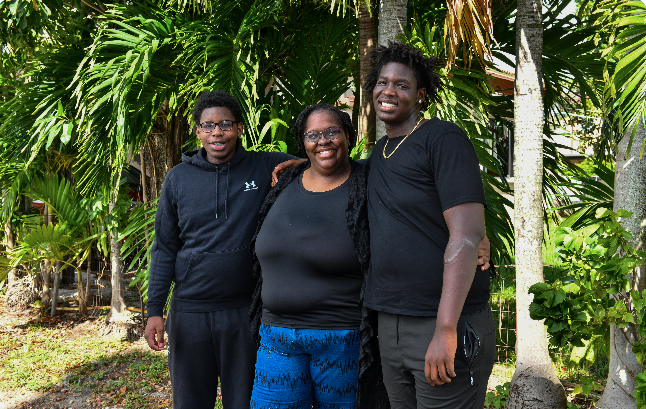
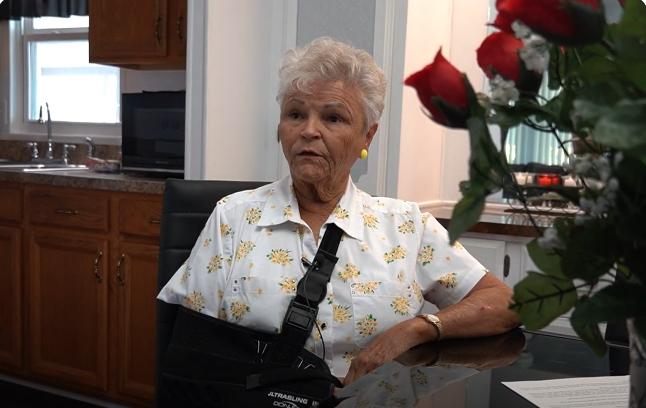
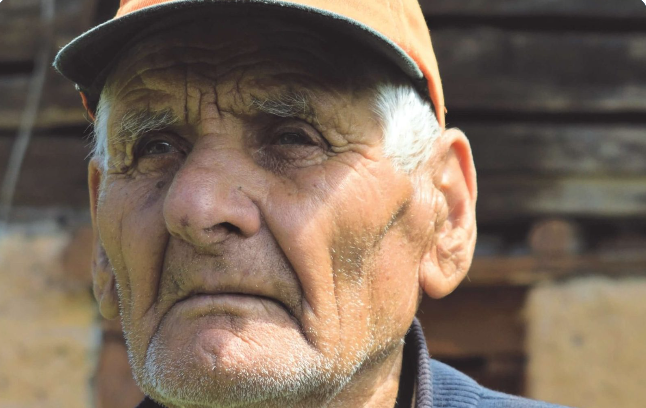
Visual storytelling was central to making each story feel connected to the people behind LSC’s mission. I selected photography and video to complement each narrative, prioritizing authentic client imagery and grantee-produced video when those assets were available and approved for use.
This people-first approach extended the visual direction established through LSC’s broader brand refresh—using faces, lived experiences, and community-centered imagery to connect individual stories more directly to the larger mission and impact of civil legal aid.


AUTHENTIC WHEN POSSIBLE
Prioritize approved client photography and grantee-produced media that bring audiences closer to the people and communities behind the story.
HUMAN EVEN WITH CONSTRAINTS
When client photography cannot be used, select representative imagery intentionally to maintain a human visual anchor without implying that the person pictured is the actual client.
MISSION-ALIGNED
Use faces, environments, and human experiences to connect individual stories to the larger impact of civil legal aid rather than relying on abstract institutional or legal imagery.
EXPLORATION
Seeing the national story.
The story cards create a people-first way to browse the collection. I developed an interactive map concept in Datawrapper to add a different lens: where these stories are happening and what legal issues they represent.
Users could filter the collection by state and legal issue, making it easier to move from LSC’s national footprint to the individual experiences behind it. The map also helps visualize the breadth of LSC’s grantee network—connecting stories across communities while preserving the local context behind each one.
INTERACTIVE MAP — PROTOTYPE / NOT CURRENTLY LIVE
NATIONAL REACH
Visualize stories across LSC’s nationwide grantee network.
STATE-LEVEL DISCOVERY
Explore client experiences within a specific state.
ISSUE-BASED DISCOVERY
Filter stories by the civil legal issues they represent.
IMPACT
From storytelling concept to publishing system.
The experience needed to work beyond the initial launch. I translated the content architecture and story templates into reusable structures within Drupal, creating a consistent framework for publishing new stories while preserving flexibility for each client’s narrative and imagery.
The result is a centralized storytelling system that connects human experiences with broader legal aid content and gives LSC a repeatable foundation for expanding the collection over time.
- CONTENT
Individual client narratives + imagery
- STORY TEMPLATE
Reusable hierarchy and content structure
- DRUPAL
Repeatable CMS implementation
- STORY HUB
A growing, centralized collection
- SCALABLE PUBLISHING
- Reusable templates and CMS structures create a consistent foundation for adding new stories over time.
- CONNECTED CONTENT
- Individual stories can connect audiences to legal issues, state data, grantee information, and broader LSC resources.
- HUMAN-CENTERED EXPERIENCE
- Photography and narrative structure keep individual client experiences at the center of a system designed to scale.
REFLECTION
Storytelling is also systems design.
This project reinforced that digital storytelling is about more than writing a compelling narrative.
The way a story is structured, photographed, categorized, surfaced, and connected to other content shapes how audiences experience it.
By treating client stories as both individual narratives and parts of a larger content system, I was able to create an experience that keeps people at the center while giving LSC a more consistent and scalable way to share the impact of civil legal aid.
People Stories Emotional connection Understanding